

When I was in primary school, we used to sing a song during assembly that said:
“Wherever you go, wherever you be, do not say yes when you mean to say no.”
At the time, I had no idea it was teaching us about boundaries.
As an adult, I cannot tell you how many times I have said yes when I was exhausted, overwhelmed, and running on empty. I said yes because I wanted to help, avoid disappointing people, or keep the peace.
Maybe you can relate.
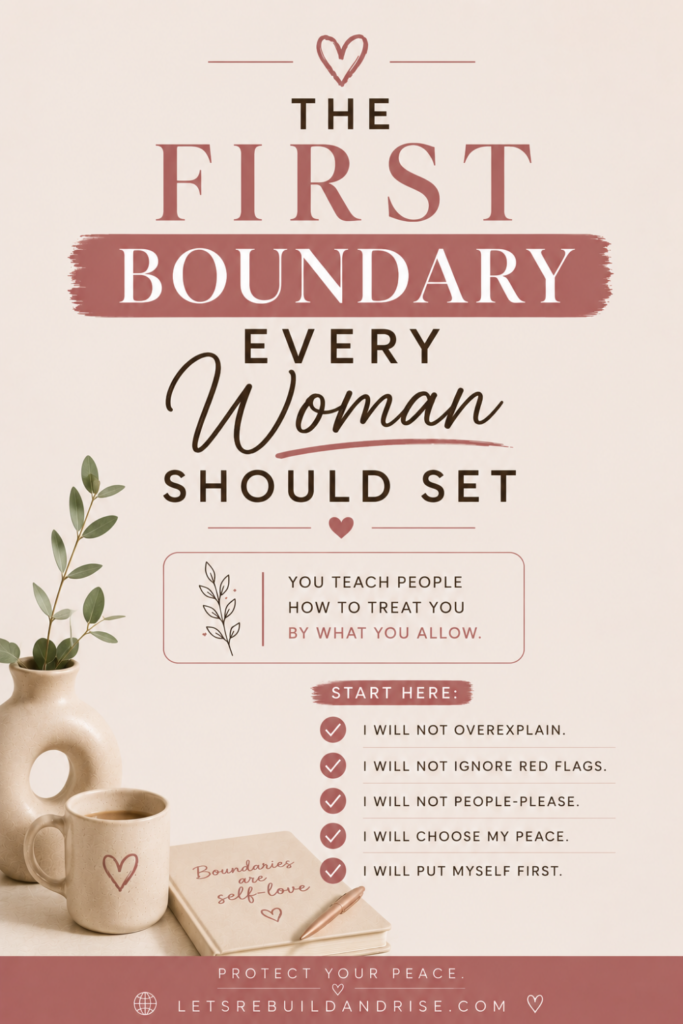
If you’ve always been the giver, setting boundaries can feel uncomfortable. But healthy boundaries are not about being selfish. They are about protecting your peace, honoring your needs, and creating healthier relationships.
In this post, I’ll share why boundaries can be so hard to set, the signs you’re overgiving, and simple ways to start saying no without feeling guilty.
The Truth About What Boundaries Really Are
Many people think boundaries are selfish, but they are actually one of the healthiest things you can have.
Boundaries are simply limits that protect your time, energy, and well-being. They help you decide what you are comfortable with and what you are not.
They are not about pushing people away. They are about creating healthy, respectful relationships where everyone’s needs matter, including yours.
Without boundaries, it’s easy to become overwhelmed, resentful, and emotionally drained. With boundaries, you can support others without sacrificing your own peace.
The truth is that boundaries are not a sign that you care less about others. They are a sign that you are learning to care for yourself too.
Why It’s So Hard to Set Boundaries
If you’ve spent years putting other people’s needs ahead of your own, it’s no surprise that setting boundaries feels difficult.
Many of us have been taught that being a good friend, partner, parent, or caregiver means always being available and always saying yes. Over time, we get so used to taking care of everyone else that we stop paying attention to our own needs.
We worry about disappointing people. We don’t want to upset anyone or be seen as selfish. So we keep saying yes, even when we’re tired, stressed, or running on empty.
The problem is that constantly putting yourself last comes at a cost. It can leave you feeling exhausted, resentful, and disconnected from yourself.
Pin For Later!
Signs You’ve Been Overgiving at the Cost of Your Peace
Here are five signs that overgiving may be costing you your peace.
1. You Feel Constantly Exhausted
You spend so much time helping other people that there is very little energy left for yourself.
By the end of the day, you’re physically tired, emotionally drained, and struggling to recharge. Even simple tasks can feel overwhelming because you’re carrying the weight of everyone else’s needs as well as your own.
2. You Say Yes When You Really Want to Say No
You agree to favors, commitments, and responsibilities even when you don’t have the time, energy, or desire to do them.
In the moment, saying yes feels easier than disappointing someone. Later, you feel stressed, resentful, or overwhelmed because you’ve taken on more than you can handle.
3. You Feel Unappreciated or Taken for Granted
You do so much for the people around you, yet it often feels like your efforts go unnoticed.
You may find yourself wondering why others don’t show up for you the way you show up for them. This can lead to feelings of disappointment, hurt, and loneliness.
4. Your Needs Always Come Last
You make time for everyone else’s problems, appointments, and priorities, but rarely make time for your own.
Your rest, hobbies, goals, and well-being are pushed aside while you focus on taking care of everyone else. Over time, this can leave you feeling disconnected from yourself and the things that matter to you.
5. You Feel Guilty for Putting Yourself First
Even when you know you need rest or space, you struggle to give yourself permission to take it.
You may feel selfish for saying no, taking a break, or setting limits. As a result, you keep giving long after you’ve reached your limit.
Read More: How to stop overgiving in relationships without becoming cold
5 Steps to Start Setting Boundaries Without Guilt
If you’ve spent years putting other people first, setting boundaries may feel uncomfortable at first. That’s completely normal. Like any new skill, it takes practice.
The good news is that boundaries don’t have to be harsh or confrontational. They can be kind, respectful, and clear.
Here are five simple steps to help you start setting healthier boundaries without feeling guilty.
1. Get Clear on What You Need
Before you can set boundaries, you need to understand what is draining you. Take a moment to think about the situations, people, or commitments that leave you feeling stressed, overwhelmed, or exhausted.
Then think about what would help you feel more supported, peaceful, and balanced.
The better you understand your needs, the easier it becomes to protect them.
2. Practice Saying No
For many people, saying no is the hardest part of setting boundaries. You may worry about disappointing others or coming across as selfish.
But saying no to something that drains you is often saying yes to your own wellbeing.
Remember, you do not need a long explanation.
Simple responses such as “I’m not available,” “That won’t work for me,” or “I can’t commit to that right now” are enough.
Read More: How to say no without over-explaining after heartbreak
3. Communicate Clearly and Kindly
Boundaries work best when they are clear.
Instead of expecting people to guess how you feel, let them know what you need in a calm and respectful way.
The goal is not to blame or criticize. The goal is to communicate honestly so others understand your limits and expectations.
4. Stay Consistent
A boundary is only effective if you maintain it.
Some people may be surprised when you start saying no or protecting your time. Others may test the limits you’ve set because they are used to the old version of you.
Stay consistent.
The more you honor your boundaries, the more others will learn to respect them.
Read More: How to handle pushbacks when you set boundaries
5. Let Go of the Guilt
Guilt is often part of the process, especially if you’re used to putting everyone else first.
When guilt shows up, remind yourself that taking care of your own needs is not selfish.
Remember that you are allowed to rest, to set limits, and to protect your peace.
The more you practice setting boundaries, the easier it becomes.
Over time, you’ll realize that boundaries don’t push people away. They help you build healthier relationships while protecting the energy, peace, and well-being you deserve.
With Love,
Dr. Janet